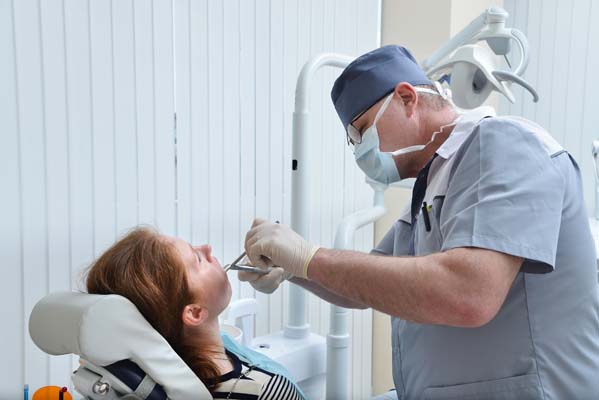
may seem like a scary or daunting procedure, but it’s safe with few potentials for complications. We’re going to go through all the major steps to help put your mind at ease and make you more comfortable about any upcoming procedures.
Step one: applying the anesthetic
First, the dentist will administer an anesthetic. They may use a local anesthetic to numb only the tooth and surrounding tissue, or they may use a general anesthetic, which will put the patient to sleep. Awake patients may still feel some pressure as the dentist loosens the tooth, which is completely normal.
Step two: extracting the tooth
To ready the tooth for extraction, the dentist will use specialized tools called dental elevators. They will elevate the tooth, coaxing it from the jawbone to loosen it. Many different kinds of dental elevators are specialized for specific kinds of teeth. Once the tooth has been sufficiently loosened, the dentist will remove it with forceps. This is called a simple extraction.
If the tooth is impacted, meaning that it has not emerged from the gums, then a different option called a surgical extraction would be used. In this case, the dentist will need to cut into the gums to reach the tooth. The dentist may need to cut the tooth into pieces to remove it more easily. Patients should not feel any pain.
Step three: post-surgical Care
After the tooth extraction, patients will bite down on the gauze for about 30 minutes. This will generate pressure which will help to form a blood clot. If necessary, a dentist will also stitch any incisions. If the stitches are self-dissolving, then patients will not need to return to get them removed later. If general anesthesia was applied, the patient must wait in the dentist’s care until it is safe to leave, and they may not drive. Before leaving, the dentist will give any necessary instructions to the patient.
Step Four: Post-surgical Recovery
There may be some discomfort in the days following the surgery. It is important to rest and allow your body time to heal. If needed, over-the-counter medications such as Ibuprofen or other NSAIDs should be taken as needed to help manage the pain.
Several important guidelines recovering patients should follow. They should only eat soft foods and liquids for the first 24 hours, they should not brush their teeth for 24 hours, and they should not use a straw or chew on the same side of their mouth as the extraction site for several days. If these guidelines are not followed, it is possible to dislodge the blood clot, exposing the bone and tissue below. This leads to a painful condition called dry socket. Patients experiencing dry sockets should let their dentists know as soon as possible to get it resolved.
Patients should be starting to feel better after a few days, but it might take up to a couple of weeks for the wound to close entirely, and it might also take up to three months for the tissue around the tooth extraction site to completely heal.
Request an appointment here: https://www.trivalleyimplants.com or call Gregory K. Louie DDS, PC at (925) 659-1142 for an appointment in our Danville office.
Check out what others are saying about our dental services on Yelp: .
Recent Posts
A tooth extraction helps protect oral health, but complications can happen. If severe pain starts a few days after the procedure, a dry socket is typically the primary cause. You need to know what signs to watch for so you can call a dentist before the discomfort becomes unbearable. Early action keeps your recovery on…
Tooth extractions are a common dental procedure to remove impacted teeth, address severe damage or decay, or prepare for orthodontic treatment. They can be done in a single appointment and do not take too long to heal from – especially with proper aftercare. Patients can follow a few key aftercare tips to help streamline their…
If you have a missing tooth, you may feel a lot of embarrassment. It is possible that you wish to avoid smiling or even being around other people. There can be health effects of missing a tooth too. It is difficult to eat when you have lost a tooth. You do not have to live…
Effective gum disease prevention starts with the right tools, and a deep-cleaning toothbrush helps you keep your gums healthy and free of gum disease. Many people assume that any toothbrush will work for their oral health needs. However, the specific design of the bristles makes a massive difference in the fight against gum disease and…