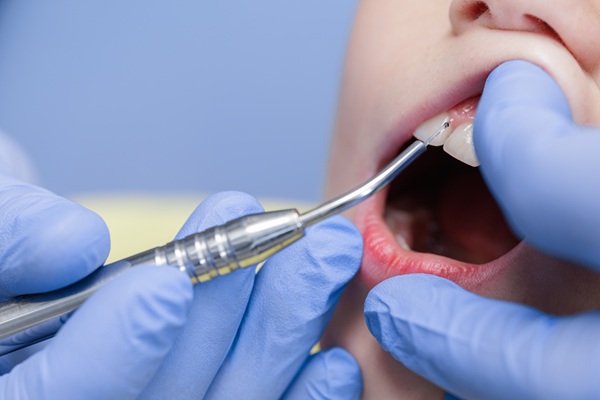
LANAP periodontal treatment offers you a minimally invasive solution to restore your gum health and protect long-term oral wellness, without the discomfort of traditional surgery or the heavy downtime. Gum disease affects millions of people and can progress silently, leading to inflammation, bleeding, gum recession, and even tooth loss. Taking proactive steps today can help you protect natural teeth and maintain a healthy smile for years to come.
The progression of periodontal disease
Periodontal disease begins with bacterial accumulation along the gumline. When plaque hardens into tartar, it creates pockets between the teeth and gums that harbor harmful bacteria. As the infection progresses, the supporting bone and connective tissue begin to deteriorate.
Common symptoms of periodontal disease often include:
- Swollen gums
- Bleeding gums
- Chronic bad breath
- Gum recession
- Loose teeth
If left untreated, advanced periodontal disease can compromise the patient's overall oral stability and negatively affect their general health. There are associations between gum disease and broader health concerns such as heart disease, stroke, and diabetes. Fortunately, early diagnosis and treatment can preserve the patient's natural teeth and support their long-term health.
How LANAP restores gum tissues
Laser-Assisted New Attachment Procedure (LANAP) is an FDA-approved laser treatment that targets and eliminates infected gum tissue without harming healthy structures. Unlike conventional gum surgery, which requires cutting and suturing, LANAP uses a specialized dental laser to selectively remove diseased tissue and bacteria. The procedure also stimulates the body's natural healing response. By promoting regeneration of bone and connective tissue, the laser encourages the gums to reattach to the teeth.
The benefits of the laser-assisted approach
Choosing a laser-based path for gum disease treatment provides several advantages. These benefits include:
- Minimal discomfort during and after the procedure
- Reduces severe bleeding and inflammation
- Faster recovery times than traditional surgery
- Precise targeting that preserves healthy gum tissue
- Lowers the risk of post-operative complications
- Natural stimulation of bone and ligament regeneration
The above factors make the LANAP approach to gum disease treatment a preferred option for patients who prioritize their comfort and long-term stability.
What to expect from LANAP periodontal treatment
The process generally begins with a comprehensive periodontal evaluation, including measurements of pocket depth and digital imaging to assess bone levels. Once the dentist determines the extent of the infection, they use the laser to remove bacteria and infected tissue from the periodontal pockets.
After the removing the diseased tissue, the dental team will clean the tooth roots with specialized instruments to remove calculus buildup. Then, the dentist will apply the laser again to encourage clot formation and seal the pocket. This treatment process creates an environment that leads to healing and tissue regeneration.
Post-treatment care typically includes professional monitoring and consistent oral hygiene practices. Regular maintenance visits help ensure bacterial levels remain under control and that the gums continue to heal properly.
Protect your smile today
Healthy gums form the foundation of a strong and confident smile. With LANAP periodontal treatment, you gain access to advanced technology that can restore your comfort, stability, and long-term oral health. If you are experiencing signs of gum disease, schedule a visit with the team at Gregory K. Louie DDS, PC to determine whether LANAP is the right path forward.
Request an appointment here: https://www.trivalleyimplants.com or call Gregory K. Louie DDS, PC at (925) 659-1142 for an appointment in our Danville office.
Check out what others are saying about our dental services on Yelp: LANAP in Danville, CA.
Recent Posts
Patients who lack sufficient jawbone density for dental implants and other restorative procedures may need to undergo dental bone grafting. Common reasons for jawbone loss include periodontal disease, tooth extractions, tooth trauma, developmental deformities, and teeth that are not in proper alignment. Whatever the cause, a bone graft can help return density to the jawbone,…
If your jawbone structure is not robust enough to support dental implants, you may require bone grafting. It's important to understand what bone grafting is and how it is an important part of having dental implants. Let's take a closer look at bone grafting and when you may need them for dental implants. If you are…
A smile makeover can help teenagers feel more confident when cosmetic imperfections affect the way they smile. The teenage years are hard enough, bringing school photos, sports, social events, and milestones that make smile confidence feel particularly important. With an age-appropriate treatment plan, cosmetic improvements can look natural and protect the developing smile.Teenagers naturally become…
Effective gum disease prevention starts with the right tools, and a deep-cleaning toothbrush helps you keep your gums healthy and free of gum disease. Many people assume that any toothbrush will work for their oral health needs. However, the specific design of the bristles makes a massive difference in the fight against gum disease and…