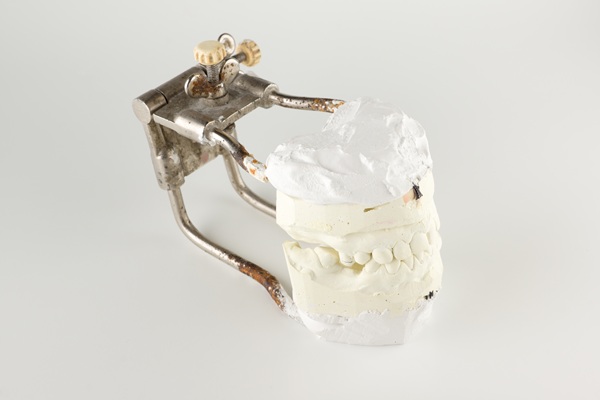
Patients who lack sufficient jawbone density for dental implants and other restorative procedures may need to undergo dental bone grafting. Common reasons for jawbone loss include periodontal disease, tooth extractions, tooth trauma, developmental deformities, and teeth that are not in proper alignment. Whatever the cause, a bone graft can help return density to the jawbone, which is needed to support a person's facial features and oral health and make them eligible for certain dental procedures.
What to ask a dentist before a bone grafting procedure
When choosing a dentist to perform a bone grafting procedure, a patient should bring a list of questions so they can get the detailed answers they need. The list below includes some more important questions patients should ask their dentist before undergoing a bone grafting procedure.
Is the bone grafting procedure painful?
Undergoing a bone grafting procedure is going to cause some level of discomfort. Many people will take an over-the-counter pain reliever, while others will ask their dentist for a prescription. It depends on the extent of the procedure and one's pain tolerance when deciding how to manage discomfort. Often patients find that with proper care, any discomfort fades quickly.
What types of bone graft materials are available?
Four types of materials are typically available to those needing bone grafting treatment. The four material choices are bone tissue from the patient, tissue from a donor, animal tissue, and synthetic bone material. When choosing one, the patient and dentist should decide together after the dentist evaluates the patient's case and makes recommendations.
How long does the procedure take?
The length of a bone grafting procedure relies on a number of factors. For one, the dentist must consider the complexity and extent of the procedure. For example, simple procedures may only take about 20 minutes, while more complex bone grafting procedures may take up to 90 minutes or more.
How long is the recovery process?
The recovery time will depend on the extent and complexity of the procedure as well. Another factor is the patient's health, as a healthy body recovers more quickly. This means the bone grafting recovery process can last anywhere from two to 14 weeks. Because the recovery process can be fairly long, it is essential for anyone who undergoes this surgical process to carefully follow all recovery instructions given by their dentist.
Ready to make an appointment?
Losing jawbone density can happen to anyone and affects oral health and facial structure. In addition, jawbone loss can affect a patient's eligibility for certain dental procedures, like dental implants. The best way to determine if a bone grafting procedure is right for you is to talk to a dental professional who performs the procedure. While the questions above will provide you with useful information, chances are you still have questions. Contact us today. We look forward to helping you restore and maintain your oral health.
Request an appointment here: https://www.trivalleyimplants.com or call Gregory K. Louie DDS, PC at (925) 659-1142 for an appointment in our Danville office.
Check out what others are saying about our dental services on Yelp: Bone Grafting in Danville, CA.
Recent Posts
If your jawbone structure is not robust enough to support dental implants, you may require bone grafting. It's important to understand what bone grafting is and how it is an important part of having dental implants. Let's take a closer look at bone grafting and when you may need them for dental implants. If you are…
Effective gum disease prevention starts with the right tools, and a deep-cleaning toothbrush helps you keep your gums healthy and free of gum disease. Many people assume that any toothbrush will work for their oral health needs. However, the specific design of the bristles makes a massive difference in the fight against gum disease and…
Understanding the core distinctions between a full mouth reconstruction and a standard smile makeover also helps individuals see how general dentists select the most appropriate dental procedure for their unique oral health needs. While both services significantly enhance your smile, the underlying clinical goals remain entirely distinct. Our dentist evaluates patients to determine whether they…
A tooth extraction helps protect oral health, but complications can happen. If severe pain starts a few days after the procedure, a dry socket is typically the primary cause. You need to know what signs to watch for so you can call a dentist before the discomfort becomes unbearable. Early action keeps your recovery on…